
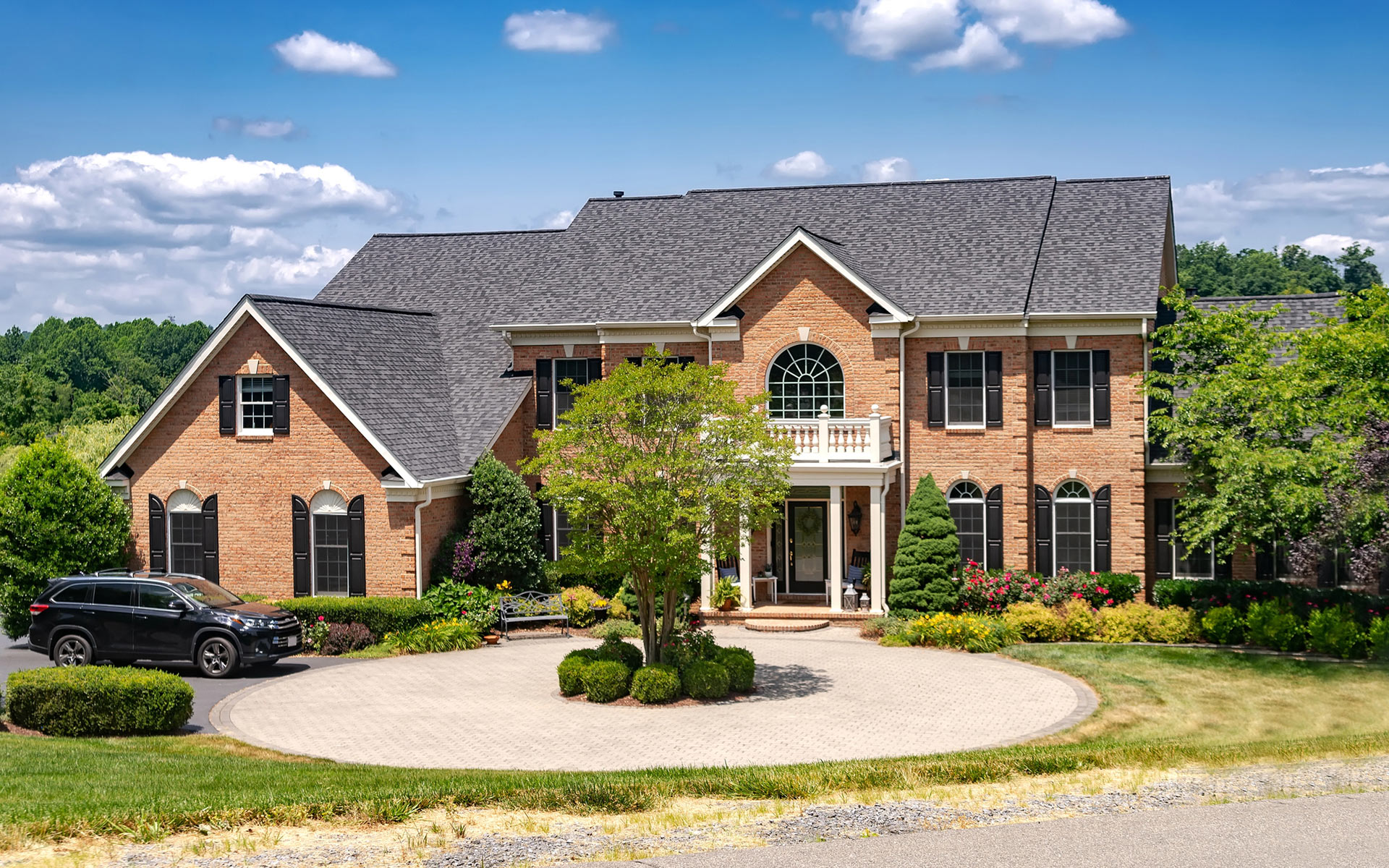
Summer storms in northeastern Ohio are no joke. If you have homeowners insurance, you might assume you’re fully covered the moment a storm rolls through and does some damage. Sometimes that’s true. Sometimes, though, there are gaps that surprise people at the worst possible moment. Here’s a plain-language look at what’s typically covered, what often isn’t, and a few things worth double-checking before the next round of severe weather hits.
What Standard Homeowners Insurance Usually Covers
Most standard homeowners policies include what’s called “dwelling coverage,” which pays to repair or rebuild your home’s structure after certain types of damage. For summer storms, this generally includes wind damage, hail, and lightning strikes. So if a thunderstorm tears off part of your roof, sends a tree branch through a window, or causes a fire after a lightning hit, you’re typically in good shape. Other structures on your property, like a detached garage or a fence, often have some coverage as well, though usually at a lower limit than the main dwelling.
Personal property coverage also comes into play here. If hail breaks through a window and ruins furniture, or a storm causes a power surge that damages your electronics, those losses may be covered depending on your specific policy language. Keep in mind that most policies cover personal property at actual cash value by default, meaning depreciation gets factored in. Replacement cost coverage is a step up from that and worth asking about.
The Coverage Gaps That Catch People Off Guard
Here’s where things get a little more complicated. Flood damage is not covered under a standard homeowners policy, period. This trips up a lot of folks in communities like Salem, Alliance, and Austintown, especially when a heavy rainstorm overwhelms local drainage and water pushes into basements or lower floors. That type of water damage is almost always excluded from a standard policy. Flood coverage requires a separate policy, usually through the National Flood Insurance Program or a private carrier.
Sewer backup is another one. If a summer storm overloads the sewer system and wastewater backs up into your home, that damage is typically excluded unless you’ve added a specific endorsement. It’s one of those add-ons that feels unnecessary until the day it suddenly isn’t.
Damage that results from neglected maintenance is another common exclusion. If a storm causes a tree to fall on a roof that was already in poor shape, the insurance company may argue that the underlying deterioration contributed to the loss. Keeping up with routine maintenance isn’t just good practice; it protects your ability to make a claim.
A Few Things Worth Reviewing Before Storm Season Peaks
July is right in the middle of prime storm season for northeastern Ohio. Homeowners in Boardman, Poland, Canfield, and across Mahoning, Columbiana, and Stark counties have all seen their share of storm damage over the years. Before the next big cell rolls through, it’s worth taking a few minutes to pull out your policy or call your agent and confirm a couple of things.
First, check your deductible. Some policies have a separate, higher deductible specifically for wind or hail claims, often listed as a percentage of your home’s insured value rather than a flat dollar amount. Second, look at your dwelling coverage limit and ask yourself honestly whether it reflects what it would actually cost to rebuild your home right now, given how construction costs have shifted in recent years. Being underinsured is a real risk. Third, ask whether you have replacement cost or actual cash value coverage on both your dwelling and personal property.
If you have a detached structure, a finished basement, or a home-based business of any kind, those are worth a separate conversation too. A home office setup or business inventory stored on-site may not be fully covered under a personal policy.
How We Can Help
As an independent agency, we work with multiple regional and national carriers, which means we can compare options and find coverage that actually fits your situation rather than just pointing you toward a single company’s product. Our team has over three decades of combined experience helping families and homeowners in Salem, Alliance, Austintown, and surrounding communities in northeastern Ohio figure out where they stand and what, if anything, needs to change.
If you’re not sure whether your current policy covers everything you think it does, or if you just want a second set of eyes on it before storm season gets any more active, please give us a call or drop us an email. We’re happy to walk through it with you, no pressure at all.